01 · Greg
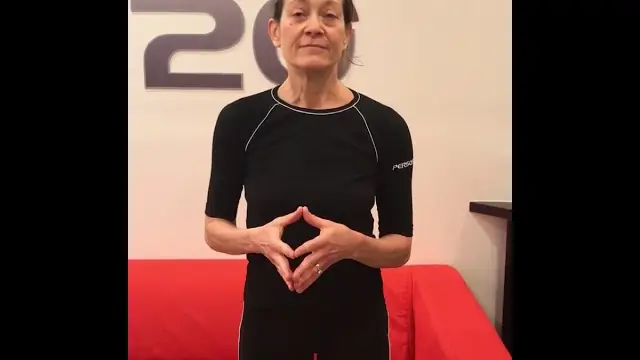
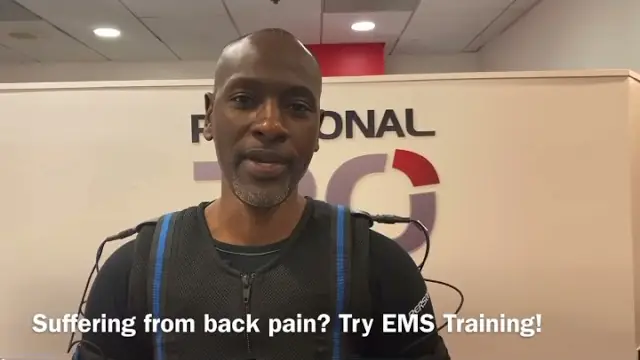
“Nothing worked for my back pain, until EMS.”
Greg struggled with back pain and tried everything. Nothing worked until he started EMS training at P20.
Today he is stronger, more stable and pain-free.
Book a $35 TrialAvoid pain
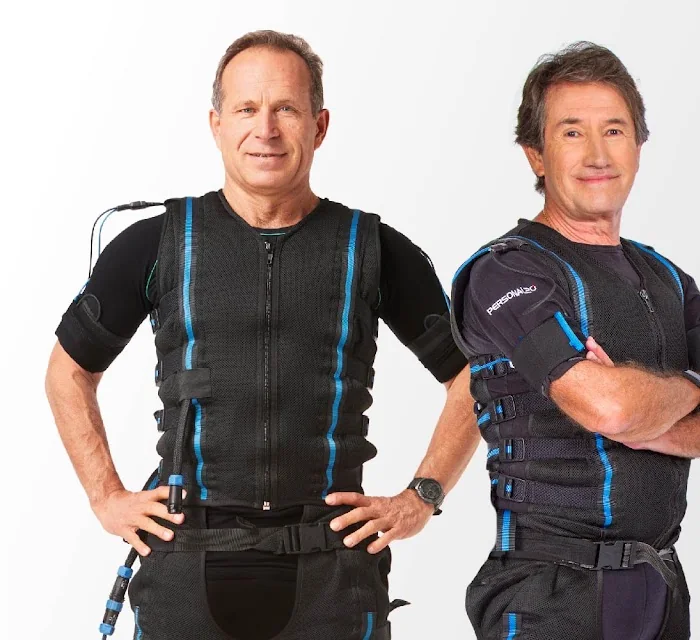
EMS training lets you build strength with light, low-impact movements because the suit, not heavy weight, provides the resistance. At P20 in Tysons and Herndon, clients with knee pain, degenerative disc disease, spinal fusions and post-surgical restrictions train every week at an intensity their trainer sets muscle group by muscle group.
Client stories
Greg struggled with back pain and tried everything. Nothing worked until he started EMS training at P20.
Today he is stronger, more stable and pain-free.
Book a $35 TrialBarbara had four spinal surgeries in six weeks at 56 and lives with titanium plates in her spine. Unable to twist, bend or lift heavy, she rebuilt her core and strength with EMS.
Told not to lift before and after surgery for two herniated discs, trainer Steve used EMS to keep his muscle, returned four weeks after surgery limited to 10 lbs, then lost the weight he had gained.
Read Steve’s storyWith a cage, bars and screws in her lower spine, Astrid began gentle, controlled EMS sessions twice a week as soon as she was cleared and felt better within the first couple of weeks.
Read Astrid’s storyThe mechanism
Traditional strength training loads a joint to load a muscle. With EMS the electrical impulse does the loading, so a squat to a chair or a standing row with light resistance produces a strong contraction without the compressive force of a barbell. Your trainer can turn an individual muscle group down to zero if it hurts and keep the rest of the body working.
Deep stabilizers around the spine and hips, which are hard to reach with ordinary exercise, respond to the same impulses, which is why clients report less back pain and better posture alongside strength.
Three rules we keep: clearance from your surgeon or doctor after an operation, no EMS with a pacemaker, implanted electrical device, pregnancy or seizure history, and intensity that starts low and rises only as you adapt.
Trusted by health professionals
People with heart disease, pacemakers or other implanted electrical devices, women who are pregnant or breastfeeding, and people with a predisposition to epileptic seizures or fitting should not do EMS. If you have another medical condition, ask your doctor first and tell your trainer.
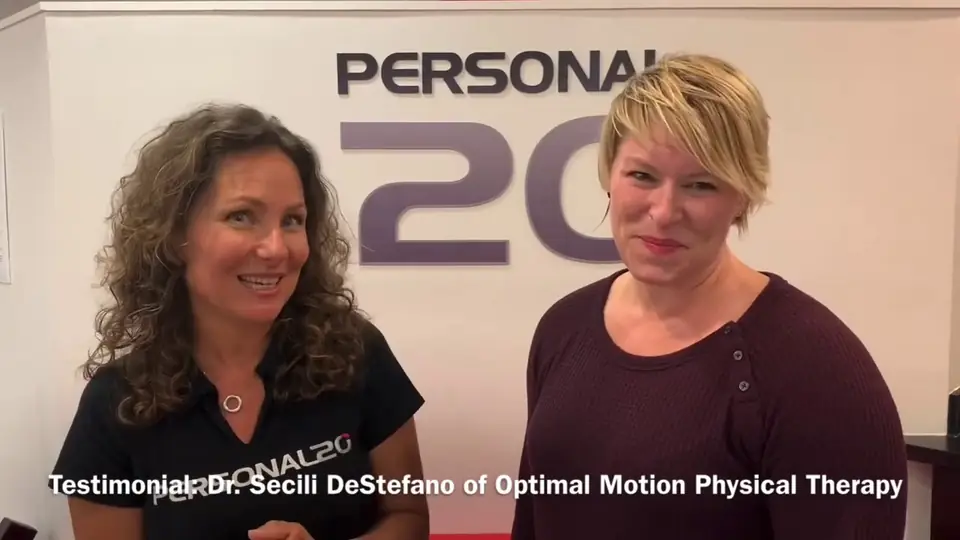
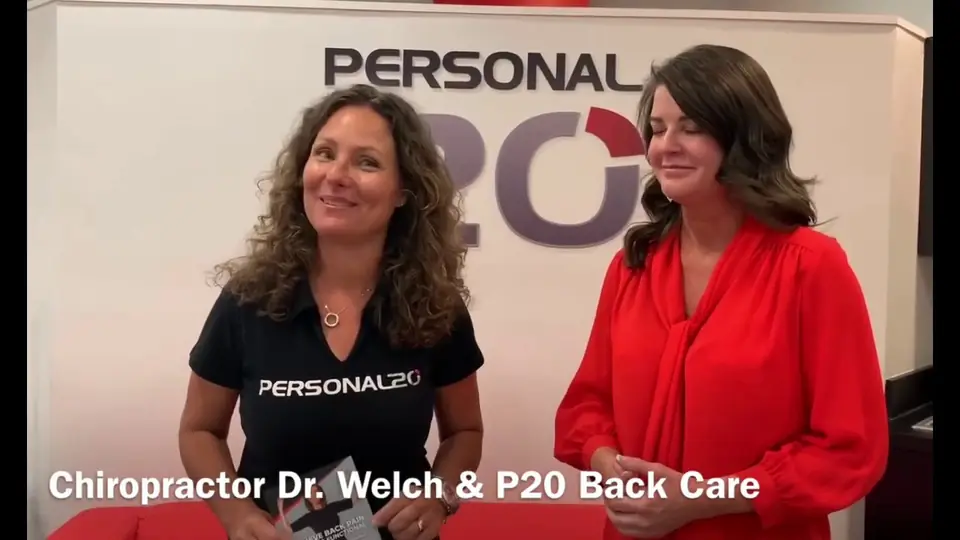
Yes, that is one of the main reasons people choose P20. The suit provides the resistance, so you train standing with light movements and no heavy weights. Clients with knee pain, degenerative disc disease and spinal fusions train here every week, and a physical therapist and a chiropractor describe their results on our Avoid Pain page.
With your surgeon’s clearance, yes. Trainer Steve returned four weeks after neck surgery limited to lifting under 10 lbs; Barbara trains with titanium plates in her spine; Astrid restarted eight weeks after a laminectomy. Your trainer works within your restrictions and can use the P20 Recovery program first.
Book a $35 trial session. Tell us about your back, knees or surgery on the form and your trainer will plan the session around it.